Leading with Purpose: Bill Dwyer on Building Inclusive Cultures, Mission-Driven Leadership, and People-First Growth
Listen to the full podcast
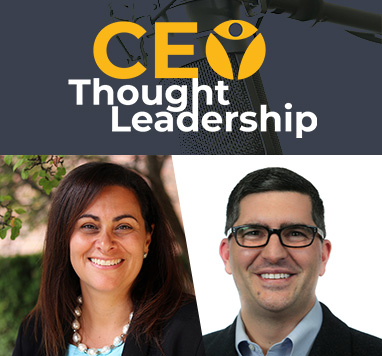
In a recent episode of CEO Thought Leadership, host Jennifer Kluge sat down with Bill Dwyer, President and CEO of Helping Hand, to discuss leadership, organizational culture, and the power of purpose-driven work. As the leader of a nonprofit serving children and adults with intellectual and developmental disabilities throughout Illinois, Dwyer brings a unique perspective on what it takes to build an engaged workforce while creating meaningful impact in the lives of others.
The Transformative Power of Purpose
Throughout the conversation, Dwyer emphasized that meaningful work has the ability to change lives. He shared stories of individuals served by Helping Hand, including a middle-aged man who secured his first job after years of struggling to find employment and a young student who spoke the word “Mom” for the first time after years of communication challenges. These moments reinforce a simple but powerful truth: purpose creates dignity, confidence, and opportunity. For leaders, that lesson extends beyond the nonprofit world. Employees want to know that their efforts matter. Organizations that connect people to a larger purpose often inspire higher engagement, stronger commitment, and more meaningful work experiences.
Inclusion Starts with Human Connection
One of the most compelling parts of the discussion focused on inclusion and how individuals can better engage with people who have intellectual and developmental disabilities. Dwyer encourages people to move beyond discomfort and fear by starting with simple human interactions. A greeting, a conversation, or an offer to help can create a powerful sense of belonging. His message was straightforward: people with disabilities are ready to participate fully in their communities. Often, it is society that needs to learn how to engage more comfortably and authentically. For employers, this perspective offers an important reminder. Building inclusive workplaces isn’t about special treatment. It’s about recognizing potential, creating opportunities, and treating people with respect and dignity.
Great Cultures Are Built Through Consistency
As a long-time Best and Brightest Companies to Work For® winner, Helping Hand has developed a reputation for fostering a strong workplace culture. According to Dwyer, there is no magic formula. Instead, culture requires intentional effort and continuous investment. He estimates that as much as 15 to 20 percent of his time as CEO is dedicated to culture-building activities. That commitment includes employee engagement, leadership visibility, ongoing communication, and reinforcing organizational values through daily interactions. One practice that stands out is Helping Hand’s focus on transparency. The organization regularly conducts small-group town hall meetings where leaders explain organizational decisions, financial realities, and strategic priorities. These conversations help employees understand not only what decisions are being made, but why.
Employee Happiness Comes First
One leadership philosophy may surprise some executives. Helping Hand’s strategic plan places employee happiness at the top of the priority list. While many mission-driven organizations focus first on the people they serve, Dwyer believes employees must come first. His reasoning is simple: employees who feel valued, supported, and engaged are better equipped to serve clients, customers, and stakeholders. When organizations invest in their people, better outcomes naturally follow. This people-first approach has helped create an environment where employees are invested in the mission and empowered to solve problems independently. Rather than relying on leadership to address every challenge, team members take ownership because they feel connected to the organization’s success.
Leadership Is About Listening
Dwyer challenged a common assumption about workplace communication. According to him, most organizations do not actually suffer from a lack of communication. Instead, they struggle with a lack of listening. Leaders often believe they have communicated effectively, while employees are still seeking clarity, context, and understanding. His advice is to approach every employee question as though it is being asked for the first time. Rather than responding with frustration or directing employees to policies and handbooks, leaders should use questions as opportunities to teach, connect, and engage. That mindset not only improves communication but also strengthens trust throughout the organization.
Humility and Continuous Growth
Reflecting on his own leadership journey, Dwyer credited mentors, coaches, and difficult experiences for helping shape his perspective. He encouraged current and aspiring leaders to seek mentorship and remain open to feedback, particularly when it is uncomfortable. One personal reminder sits on a sticky note near his computer: “Not Number One.” The message serves as a reminder to remain humble, continue learning, and focus less on competition and more on growth. For Dwyer, leadership is not about being the smartest person in the room. It is about empowering others to succeed.
Key Takeaways for Leaders
- Create opportunities for employees to connect with a meaningful purpose.
- Build inclusion through authentic human interactions and respect.
- Invest time intentionally in workplace culture.
- Prioritize employee happiness to improve organizational performance.
- Focus on listening, not just communicating.
- Seek mentors, coaches, and feedback that support continued growth.
Closing Thoughts
Bill Dwyer’s leadership philosophy is guided by a belief that organizations perform best when they put people first. Whether serving individuals with disabilities, building workplace culture, or developing future leaders, his approach demonstrates that empathy, transparency, and purpose are not soft skills. They are strategic advantages.